QR codes are no longer a fad: they are reshaping consumer habits for the long term
This is irreversible: QR codes are gradually becoming part of consumers' everyday lives. This is not just a technological evolution. It is a deep transformation in behavior. QR codes are becoming a major part of the consumption cycle. But poor execution still matters. The challenge today is to earn user trust and turn physical media into interactive touchpoints.
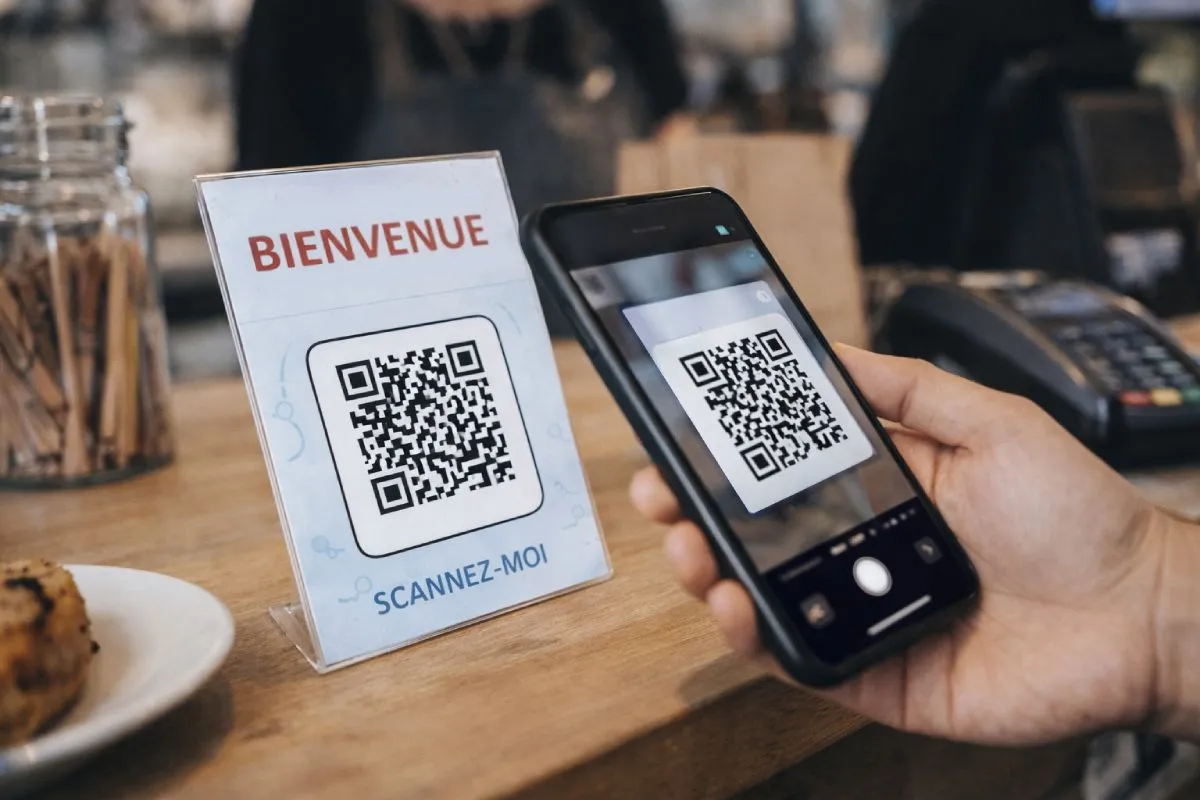
Many marketing professionals still remember the image of the flash code in the early 2000s. At the time, you had to install a dedicated app, so mobile usage remained limited.
Today, everything has changed. Smartphones have become the main gateway to the internet and digital services. Since 2018, QR code scanning has been built directly into smartphone cameras. As a result, the QR code has become a natural and immediate entry point to information and services, linking the physical world with the digital one.
QR codes are part of a deep transformation in consumer habits. They now appear in countless situations: on a product, a package, a poster, a restaurant menu, a ticket, printed material, or a shop window. In each of these contexts, they allow consumers to instantly access additional information, a service, or an interaction. In France, the number of users scanning QR codes has quadrupled in five years (2018-23), and more than 90% of smartphone users are expected to use this tool by 2028.
Yet while QR codes are gradually becoming part of the landscape, their adoption still depends on one essential factor: user trust. One of the psychological barriers is the fear of scanning a code that leads to poorly designed, disappointing, low-value, or simply useless content. In other words, the challenge is no longer just to persuade people to scan a QR code, but to give them a good reason to do so.
For brands, the issue is no longer simply about placing a QR code on a medium. It is now about building a real strategy around this new entry point into consumers' daily lives.
When it is well designed, a QR code can turn a physical medium into an interactive space and generate significant scan rates of 15% to 20%. But that performance depends on one key condition: offering a useful, relevant, and context-consistent experience. Products, packaging, posters, and printed communications can therefore go beyond their traditional role of informing or promoting to become true gateways to digital content, services, and experiences.
It is clear. The QR code is not just another tool. At the crossroads of physical and digital, it is becoming a major new touchpoint between brands and consumers. Its potential does not depend on the technology itself, but on brands' ability to design targeted responses that are genuinely useful to the consumer.