Do consumers really scan QR codes? the proof in numbers
For a long time, QR codes were met with skepticism. Some saw them as a marketing gimmick, others as a passing trend, or even a useless bet. Yet the numbers are clear: scanning is now a mass behavior embedded in everyday habits, and its acceleration has only just begun.
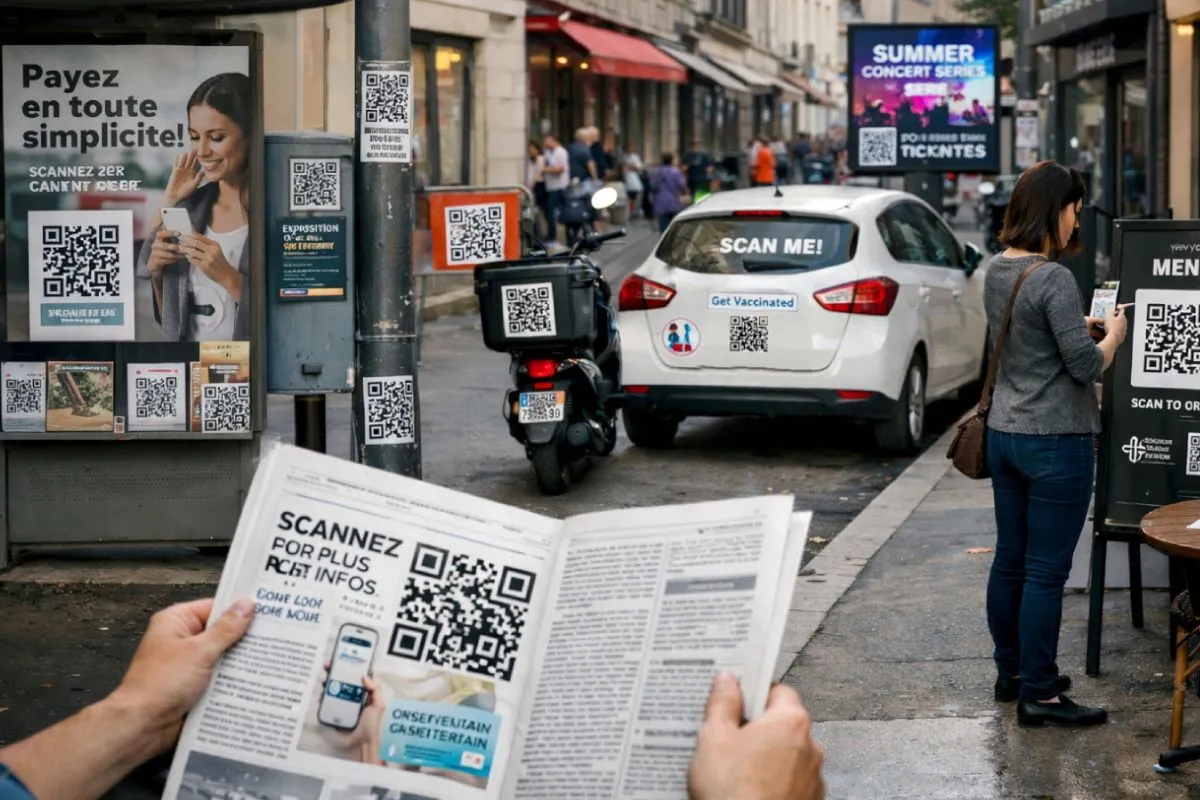
QR codes: from marginal use to a mainstream reflex
The first objection often heard internally is always the same: "Do people even know how to use a QR code?" The answer is clear.
Today, 94% of consumers are familiar with QR codes and 90% know exactly how to use them. The native integration of QR readers into smartphone cameras has completely removed the technological barrier. Scanning no longer requires any app, training, or effort.
QR codes are no longer something that needs to be explained, but an intuitive gesture, just like clicking a link.
Scanning is no longer exceptional, it is a regular behavior
The second misconception is that scanning remains occasional. The numbers show the opposite: 66% of consumers scanned a QR code in the last 30 days. In other words, two out of three people have used this touchpoint very recently, in a real shopping or information context.
In the most advanced markets, the intensity is even stronger. In China, 50% of users scan several times per week, especially to pay, get information, or access services.
Scanning has become a natural gateway to information, at exactly the moment when the consumer needs it.
France: a market already mature for in-store scanning
Contrary to common belief, France is not behind. Usage is already there. One in five French consumers uses scanning apps such as Yuka to get information in stores, and the app has reached 21 million downloads.
The behavior is already established: consumers are already scanning, comparing, analyzing, and deciding from their smartphones, right in front of the shelf. A QR code on packaging does not create a new habit. It channels an existing reflex to the benefit of the brand.
The pandemic turned a test into a standard
Between 2018 and 2020, the reach of QR codes increased by 96%. Contactless menus, health passes, forms, and quick access to information made QR codes a simple, fast, and reassuring solution. But above all, they embedded the gesture permanently into everyday habits.
What could have remained a temporary response became a standard. The QR code is one of the structural legacies of the post-Covid period.
A tool accepted and viewed positively by consumers
Adopting a lever is one thing. Accepting it is another. Today, 95% of consumers express a positive or neutral feeling toward QR codes placed on products. The QR code is neither intrusive nor imposed. It is activated on demand.
Consumers stay in control. They scan if they want, when they want, to get more information.
2025-2026: an acceleration that is already underway
Current usage is only the starting point.
- 99.5 million active QR code users are expected in the United States in 2025
- $2.7 trillion is the projected size of the global QR code payments market
This momentum is reinforced by the transition toward the enhanced GS1 QR code, announced globally by 2027.
QR codes are becoming the universal language between products, brands, and consumers.
What these numbers change in concrete terms for brands
In light of this data, continuing to doubt QR code adoption means ignoring a reality that is already in place. QR codes are no longer a bet. They are a strategic touchpoint, measurable and activatable, perfectly aligned with current expectations: transparency, immediacy, autonomy, and personalization.
Brands that use them intelligently:
- turn packaging and printed media into communication interfaces,
- enrich the product experience,
- strengthen brand preference,
- collect concrete engagement signals.
Not activating QR codes today means leaving value behind on the shelf.