Augmented packaging: turning a regulatory constraint into a growth driver
For decades, packaging was treated as a constraint: a limited space packed with regulatory information where marketing had to fight to exist. That era is coming to an end.
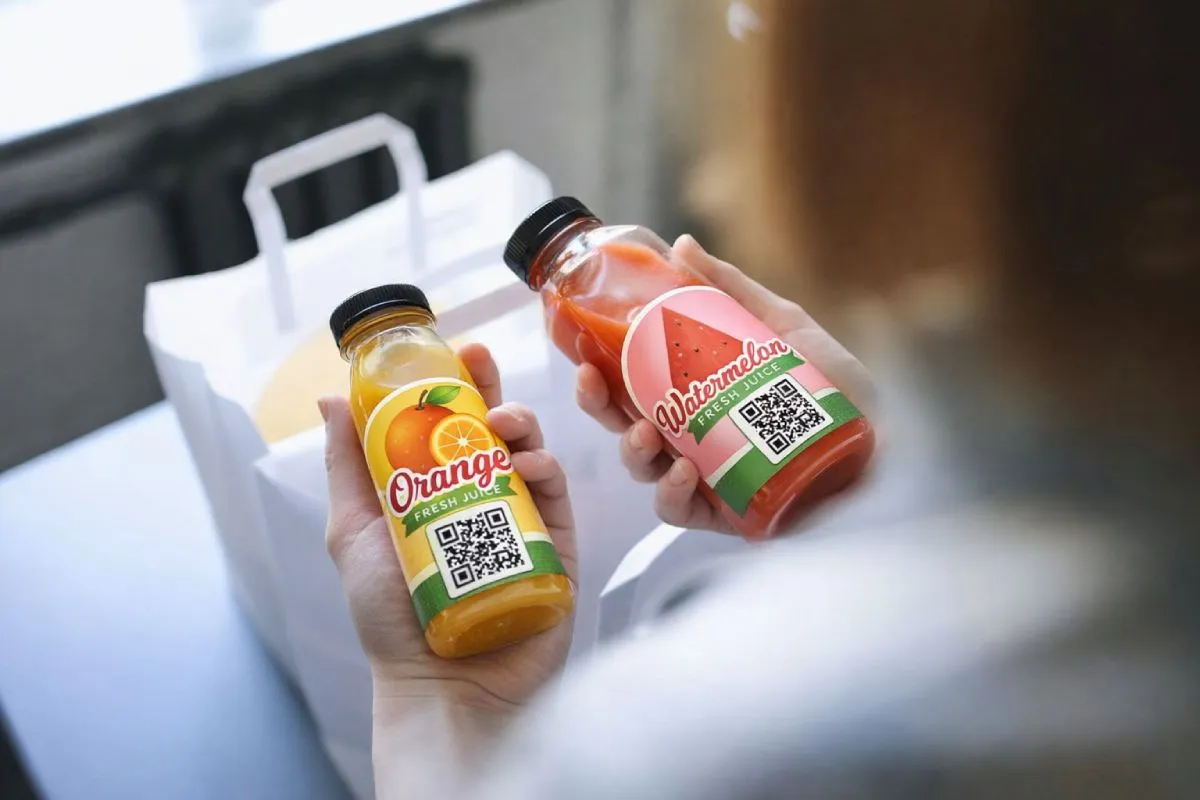
With the arrival of the GS1 QR Code (Digital Link) and the 2027 deadline, packaging is entering a new dimension: Augmented Packaging. What used to be seen as a technical obligation is becoming a strategic entry point to a rich, measurable, value-creating digital experience.
The question is therefore no longer "how do we become compliant?" but rather: "how do we turn this transition into a competitive advantage and a growth engine?"
Augmented Packaging: a model shift, not a trend
From physical support to service platform
Augmented Packaging means evolving packaging from a passive role, protecting and minimally informing, into a digital service platform.
A simple reality:
- A label is physically limited
- Consumer expectations are not
The GS1 QR Code resolves that contradiction by connecting the product to a digital space without constraints:
- Explainer videos
- How-to tutorials
- Detailed regulatory information
- CSR proof points and traceability
- Brand content and storytelling
- Customer engagement
- and much more
Packaging then becomes a living media channel, scalable and activatable throughout the product lifecycle.
The "single source of truth" in the service of trust
Thanks to the GS1 standard, the information accessible through the QR code is structured, certified, and controlled by the brand.
Result:
- Consumers access reliable data such as ingredients, allergens, and origin
- The brand takes back control of its message
- Trust becomes an immediate conversion lever on the shelf
That is no detail: 92% of consumers put trust at the heart of their purchase decision.
Three growth levers activated directly from packaging
1. Transparency and trust: sell better, right from the shelf
Some brands have already understood that transparency is no longer a risk, but a sales accelerator.
Aroma-Zone case: In-store, nearly 30% of customers scan the QR code to consult:
- Customer reviews
- Technical details
- Precise product composition
The result is immediate: the QR code becomes a purchase decision support tool exactly where the purchase happens.
Packaging no longer just explains the product, it reassures and convinces.
2. Engagement and storytelling: create brand preference
In a crowded aisle, product features are no longer enough. What makes the difference is emotional connection.
Wine & Terroir case: A simple scan lets people:
- Meet the winemaker through video
- Discover the estate's story
- Understand the terroir and expertise
Something static packaging can never offer.
The QR code turns the label into a brand experience that is memorable and differentiating.
3. Utility and retention: better usage means better repurchase
A product that is well understood is used better. And a product that is used better is a product that gets repurchased.
Decathlon / L'Oreal case:
- Assembly tutorials
- Care advice
- Virtual try-ons (AR)
The benefit is double:
- Less post-purchase frustration
- More satisfaction and loyalty
Packaging becomes an embedded customer service tool.
Data capture: the grail finally accessible to brands
The scan: the only direct link with the shopper in mass retail
In large-scale retail, brands usually do not know their end customer. The QR code changes that dramatically. Every scan can generate first-party data:
- Where the product is scanned
- When
- In what context
Today it is the only legal and direct way for a brand to create a data relationship with consumers in distribution.
The scan is not the end, it is the start of the funnel
A high-performing QR code does not stop at informing. It activates a conversion journey.
Examples of real-life scenarios:
- Newsletter signup in exchange for an extended warranty
- Instant post-scan giveaway
- Discount coupon for the next purchase
Packaging becomes a CRM entry point, with no app to download.
The numbers that confirm the business impact
The performance of augmented packaging is no longer based on intuition, but on facts:
- 65% of consumers say that a QR code on a pack strengthens their trust
- 10 to 20% scan rates on packaging, compared with less than 1% for a classic digital ad
- 87% consider the QR code experience as useful as an app, without download friction
No other physical medium offers this kind of potential ROI, directly measurable.
QRanberi: turning the technical entry point into a marketing destination
The promise of Augmented Packaging only holds if implementation is simple, fast, and agile. That is precisely the role of QRanberi.
Deploy in minutes, not months
Creating a post-scan digital experience is now as simple as publishing a social media post:
- Interactive mini-sites
- Games
- Customer reviews
- Regulatory information
Without heavy development, without friction.
Test, adjust, optimize without ever changing the pack
With QRanberi:
- You can test an activation on a specific batch
- Modify content in real time
- Measure performance immediately
Packaging finally becomes agile.
An all-in-one platform
QRanberi manages:
- GS1 Digital Link compliance, the technical challenge
- The destination experience, the marketing challenge
One single tool to answer the 2027 challenge and create value today.
In conclusion: the real risk is doing nothing
The transition to the GS1 QR Code is not just another regulatory constraint.
It is a unique opportunity:
- To bring digital into the consumer's hands
- To turn every product into media
- To regain control of the customer relationship
Brands that anticipate will turn their packaging into a growth driver. The others will only manage to stay compliant.
Your packaging is already in your customers' hands. It is up to you to decide whether it stays silent or finally starts speaking.